


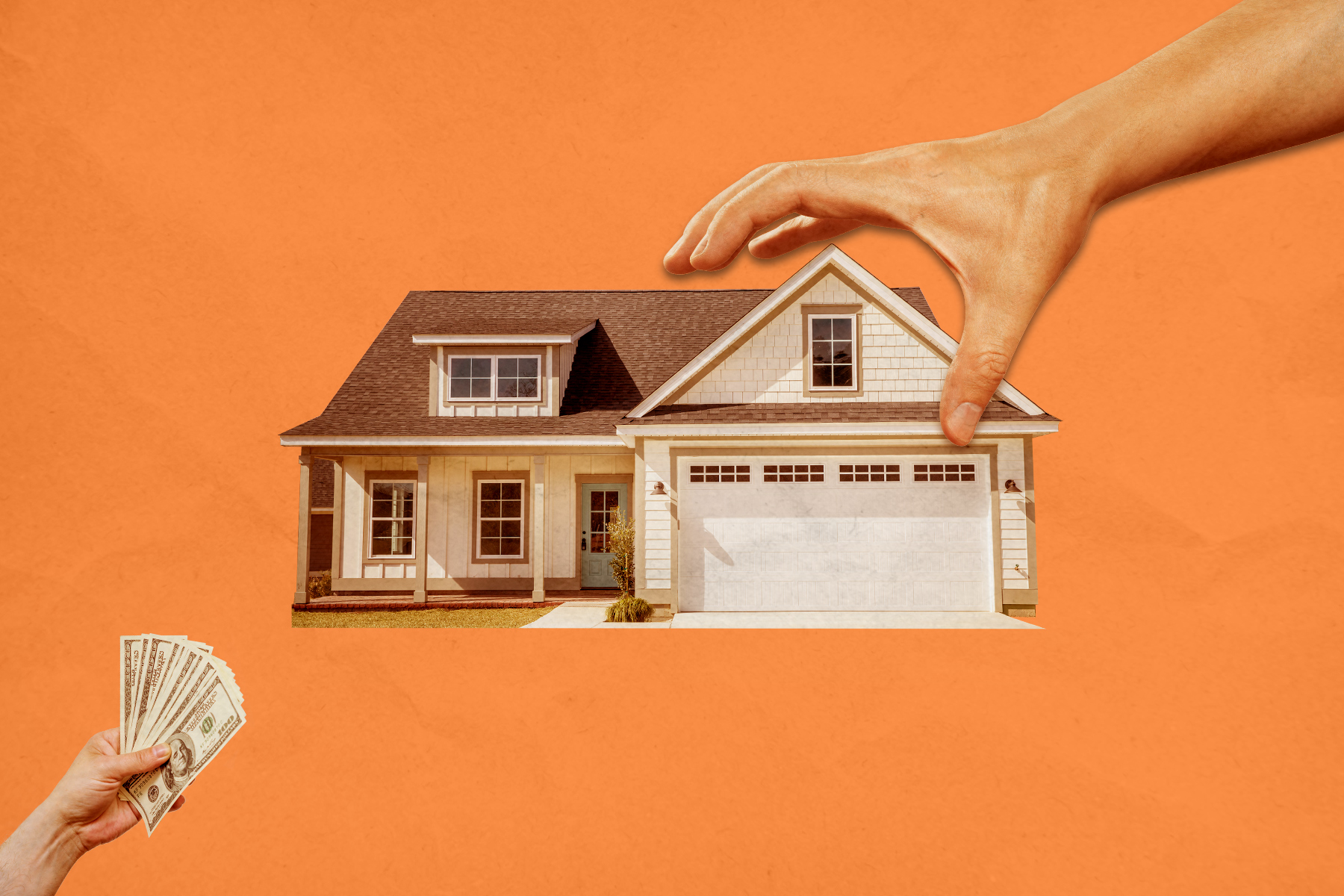
“Oh my god,” a friend texted me Monday morning. “Have you seen the DCAD appraisals yet?” A few minutes later, I got another message on Facebook: “These appraisals are insane.”
And so I looked at mine. Casa Erickson is in North Dallas, just off of Forest and Marsh. For the last two years, the valuation of our three-bedroom, two-bath, 1,900-square-foot home built in 1961 has been exactly the same. This year, it increased by more than $85,000, or 26 percent over last year.
“WTF is DCAD’s deal?” another friend asked. Indeed.
So I asked around. A coworker in Oak Cliff’s Elmwood neighborhood didn’t see any increase, but a friend who lives just three blocks north saw her market value go up by almost $71,000, with most of the increase attributed to land value. My land value didn’t go up at all—the increase is solely in the home itself, which hasn’t seen any substantive improvements since last year.
I’ve talked to people throughout Dallas who saw their property values go up substantially. A homeowner in Old East Dallas saw her home’s improvement value go up by $64,000 and the land by $95,000, but she says in reality, “My house is falling apart around me.” Another who lives off of Westmoreland and Jefferson in Oak Cliff says after her protest was denied last year, she made about $8,000 in repairs and saw her market value go up by $102,000 over last year. A homeowner in Capella Park in southwest Dallas says that homes “are not selling” but says his valuation went up by $212,000. Another property in South Oak Cliff jumped from $117,000 to $230,000.
And it wasn’t just single-family homes, either. A condo-dweller near Mockingbird Station saw her valuation increase by 18 percent. Bisnow reported that commercial property valuations in Dallas County increased by an average of 21 percent, despite the fact that transactions were down by almost 60 percent last year. Multifamily property valuations were up 20 percent, retail was up about 10 percent, and industrial properties were up a whopping 50 percent. Offices, which have stagnated the most among these non-residential uses, rose between 5 percent and 10 percent.
So why such large increases?